
Ellipses

This kitchen was never now—layers of heat and metal, air heavy with old hungers. Standing at the stove feels ancient, predating her heartbeat. The knobs resist like they remember other hands, lost to the valley’s fog. She twists one; blue flame unfurls—a flickering petal she watches, trance-like.
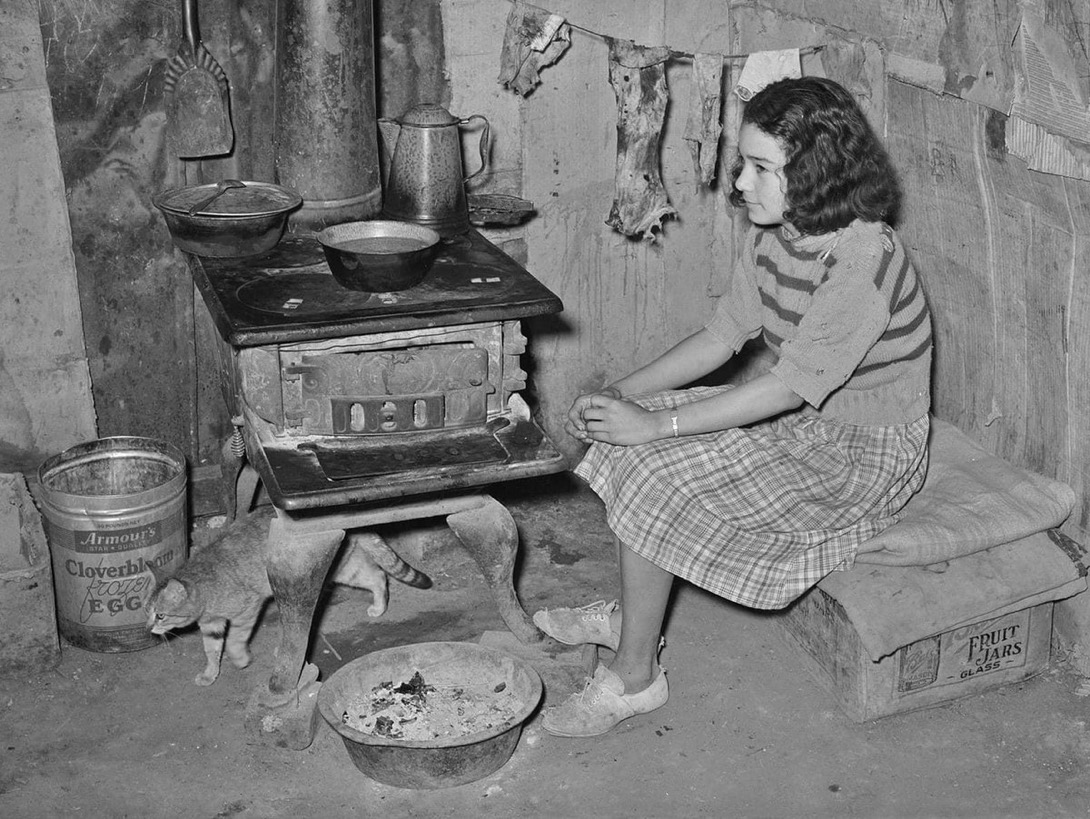

She’s learning fire’s moods—she’s also reclaiming them.


Underfoot, Bachelard’s “vessel of time” seeps shadows. She’s a recurring rhythm, no newbie watcher. That pause before the flame? Less burn-fear, more vertigo—her hand a shadow of every woman here before, feeding the same heat. Jung’s archetype whispers: this is etched deep, her life a borrowed thread in the pattern.


The cat slices through differently. No history baggage—just pure pull to warmth. Girl sees lineage; cat feels now. It hugs light-dusted corners, wary of the sudden blaze—ancient duty, or just instinct’s edge.


Room’s museum not—it’s repeating. Her moves: half-heirloom, half-new. Alone, yet crowded with ghosts of intent. Flame climbs, cat freezes, knobs fight. Moment loops back, tweaked—the girl, lone sentinel in a space that’s seen it all. 

Popular posts from this blog

Automatism

To paint the anatomy of terror is, an act of surrender. We are taught from the first tremor of ambition that art is a mountain to be scaled, a discipline of the iron will, a relentless sharpening of the blade. We believe that if we only try harder—if we refine the stroke, master the pigment, or sweat over the syntax—we might finally pin the ghost of our anxiety to the canvas. But the ghost only responds to silence. The fundamental challenge of the artist is the systematic dismantling of the self. To reach the jagged edges of fear and the suffocating depths of anxiety, one must achieve a state of radical porousness. It is a terrifying vulnerability, a deliberate thinning of the skin until the barrier between the internal abyss and the external world becomes a membrane of light. We must become vessels rather than architects. This is the essence of Automatism: the courage to let the hand move before the mind can censor it. When we sit before the void of a blank page or a white canvas, our...

Spatial Longing

  The stone of the third step is unremarkable, a slab of weathered granite that carries the indifferent history of the street. Every evening, as the light thins into a bruised violet, the dog arrives. He occupies the space, folding his limbs into the geometry of the threshold, and remains until the streetlamps hum with full current. Then, he leaves. This is an act of spatial longing—a tethering that requires no anchor. To observe this repetition is to witness a form of attachment that bypasses the traditional mechanics of ownership. In our human architecture, we struggle to conceive of belonging without the scaffolding of "mine" or "ours." We fence, we deed, and we domesticate. But the dog’s presence on the doorstep suggests a different topography of being. It is what Giorgio Agamben might describe as a state of exception rendered into a physical habit—a way of being "outside" that is nonetheless intimately folded into the "inside." The dog...

Clarity What?

  The siren song of "clarity" is perhaps the most sophisticated deception we perform upon ourselves. We treat it as a terminal station—a sun-drenched plateau where the jagged edges of existence finally align, and the static of the soul yields to a crisp, high-definition signal. We tell ourselves that once the fog lifts, once the "model" is perfected, we will finally possess the map to the labyrinth. But clarity is a flickering phosphorescence on the surface of an endlessly churning sea. It is the temporary, often desperate, engagement with a perceived understanding of a world that remains, at its core, indifferent to our need for symmetry. We craft mental models to maintain a functional sanity—to prevent the sheer, unadulterated chaos of being from collapsing our internal architecture. As George Box famously noted, all models are wrong, though some are useful. We navigate by these ghosts of logic, these obsolete frameworks of how things ought to be. We build a cathe...