
Young Love

We were not wrong to believe it.

That is the unbearable part.


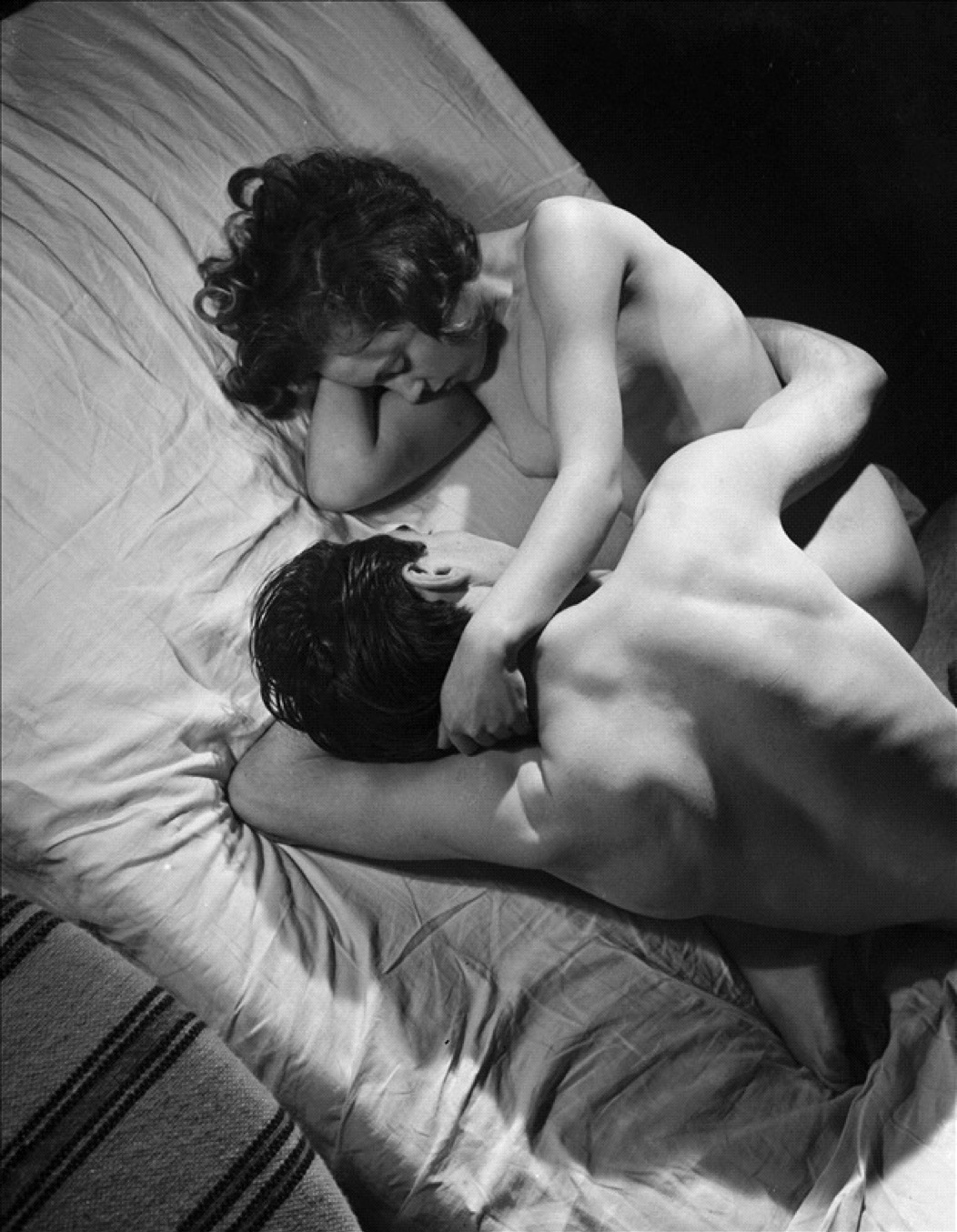
Romeo leans across the dark

toward something he cannot name

but cannot not reach for —

the way the drowning reach,

the way the dreaming reach. 


We called it love.

It was also other things 

Proof that we existed,

that the self had edges

and someone had agreed to stand at them.


Stendhal was right about crystals.

The mind does that — covers what it wants

in its own light, and makes the beloved


necessary as air 

obvious as gravity.


At nineteen you do not know

At nineteen you do not know


You think it is really true.

And maybe it was.

But the clock was always moving.

over the sound of each other’s breathing.


Now we can hear it.

Now we know what Fromm knew —

that fusion isn’t destiny,

that fever breaks,


that you need a self

to love from.


The garden we grew into

is real. It holds.

It does not ask us to burn.

But the fire lit the world once

in a way the garden cannot,


and we would be lying

if we said we didn’t miss

that version of ourselves

the version 

that still believed one person

could contain everything.


We look back without contempt.

We look back the way you look

at a place you lived in once

and will not enter again —

not because it was wrong

but because that door

can no longer

be yours. 


Popular posts from this blog

Automatism

To paint the anatomy of terror is, an act of surrender. We are taught from the first tremor of ambition that art is a mountain to be scaled, a discipline of the iron will, a relentless sharpening of the blade. We believe that if we only try harder—if we refine the stroke, master the pigment, or sweat over the syntax—we might finally pin the ghost of our anxiety to the canvas. But the ghost only responds to silence. The fundamental challenge of the artist is the systematic dismantling of the self. To reach the jagged edges of fear and the suffocating depths of anxiety, one must achieve a state of radical porousness. It is a terrifying vulnerability, a deliberate thinning of the skin until the barrier between the internal abyss and the external world becomes a membrane of light. We must become vessels rather than architects. This is the essence of Automatism: the courage to let the hand move before the mind can censor it. When we sit before the void of a blank page or a white canvas, our...

Spatial Longing

  The stone of the third step is unremarkable, a slab of weathered granite that carries the indifferent history of the street. Every evening, as the light thins into a bruised violet, the dog arrives. He occupies the space, folding his limbs into the geometry of the threshold, and remains until the streetlamps hum with full current. Then, he leaves. This is an act of spatial longing—a tethering that requires no anchor. To observe this repetition is to witness a form of attachment that bypasses the traditional mechanics of ownership. In our human architecture, we struggle to conceive of belonging without the scaffolding of "mine" or "ours." We fence, we deed, and we domesticate. But the dog’s presence on the doorstep suggests a different topography of being. It is what Giorgio Agamben might describe as a state of exception rendered into a physical habit—a way of being "outside" that is nonetheless intimately folded into the "inside." The dog...

Clarity What?

  The siren song of "clarity" is perhaps the most sophisticated deception we perform upon ourselves. We treat it as a terminal station—a sun-drenched plateau where the jagged edges of existence finally align, and the static of the soul yields to a crisp, high-definition signal. We tell ourselves that once the fog lifts, once the "model" is perfected, we will finally possess the map to the labyrinth. But clarity is a flickering phosphorescence on the surface of an endlessly churning sea. It is the temporary, often desperate, engagement with a perceived understanding of a world that remains, at its core, indifferent to our need for symmetry. We craft mental models to maintain a functional sanity—to prevent the sheer, unadulterated chaos of being from collapsing our internal architecture. As George Box famously noted, all models are wrong, though some are useful. We navigate by these ghosts of logic, these obsolete frameworks of how things ought to be. We build a cathe...